
Introduction: Nickel, Green Technology, and Unavoidable Environmental Challenges
The nickel mining industry is the backbone of the global transition to clean energy. From electric vehicle batteries to solar panels, nickel is a critical mineral supporting low-carbon technologies. However, its extraction and processing present complex environmental challenges, particularly in water usage and management. This is where Water Treatment Plants (WTPs) play a central role. Far from being mere supporting infrastructure, WTPs are the “heart” of mining operations, ensuring ecological sustainability, economic efficiency, and social legitimacy.
Here are the fundamental reasons why WTPs are essential for the nickel mining industry, transcending issues of climate change and water scarcity:
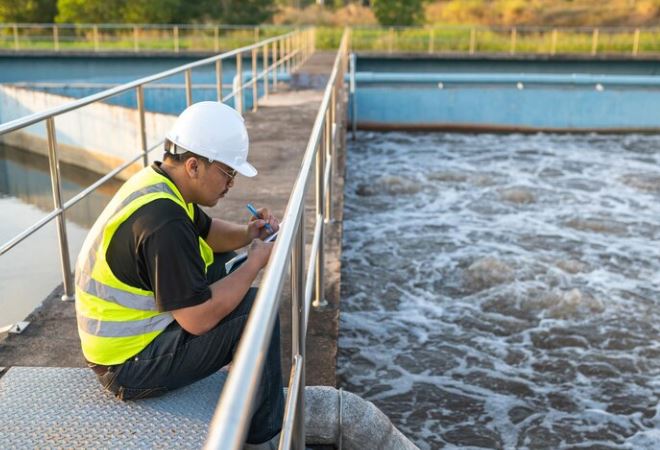
1. Maintaining Environmental Balance: Neutralizing Acidic Water and Removing Heavy Metals
Nickel mining, especially laterite types, involves leaching with strong acids like sulfuric acid. This process produces Acid Mine Drainage (AMD), containing heavy metals (nickel, iron, manganese, cobalt) and extremely low pH levels. Without treatment, AMD can contaminate rivers, soil, and groundwater, harming ecosystems and human health.
Critical Role of Calcium Hydroxide (Ca(OH)₂):
- pH Neutralization: Calcium hydroxide is added to acidic water to raise its pH to a neutral level (6–9). The chemical reaction:
H2SO4+Ca(OH)2→CaSO4+2H2OH2SO4+Ca(OH)2→CaSO4+2H2O
The resulting calcium sulfate (gypsum) is safe and can be precipitated. - Heavy Metal Precipitation: At higher pH levels, metals like iron, nickel, and aluminum form insoluble hydroxides that settle as sludge. This process reduces toxic metal concentrations by up to 99%.
Advantages of Calcium Hydroxide:
- Cost-Effective: Cheaper than sodium hydroxide (NaOH) with similar effectiveness.
- Minimal Hazardous Residue: Metal hydroxide deposits can be managed as controlled solid waste, minimizing pollution risks.
2. Optimizing Water Cycles: Turning Waste into Resources
Nickel mines require vast amounts of water for washing ores, cooling systems, and slurry transport. WTPs enable up to 80–90% water recycling, reducing dependency on new water sources.
Examples of Application:
- Recycled Treated Water: Neutralized water is reused for ore washing or irrigation in reclamation areas.
- Cost Savings: Recycling 1 m³ of water saves pumping and raw water procurement costs.
Case Study: A nickel mine in Sulawesi reduced freshwater use from 5,000 m³/day to 1,200 m³/day by integrating reverse osmosis technology and chemical precipitation in its WTP.
3. Ensuring Regulatory Compliance: Avoiding Fines and Sanctions
Environmental regulations in nickel-producing countries like Indonesia are becoming stricter. Water pollution is a serious violation that could halt mining operations. WTPs help companies meet Wastewater Quality Standards (BMAL), including parameters such as:
- pH (6–9)
- Total Suspended Solids (TSS) < 50 mg/L
- Metal Concentrations (Ni < 0.5 mg/L; Fe < 3 mg/L)
Without WTPs, companies risk fines worth billions of rupiah, license revocation, or public protests.
4. Protecting Public Health and Corporate Reputation
Leaks of acidic water or heavy metals into the environment can cause:
- Chronic Metal Poisoning: Nickel and cobalt are carcinogenic when accumulated in the body.
- Agricultural Damage: Acidic water alters soil fertility, harming local farmers.
By implementing WTPs, companies build community trust and avoid social conflicts. For example, the Buyat Bay pollution case (1996–2004) highlighted the critical importance of responsible water management in mining operations.
5. Supporting Operational Efficiency and Long-Term Profitability
Well-designed WTPs not only mitigate risks but also enhance productivity:
- Preventing Equipment Corrosion: Low-pH water corrodes pipes and tanks; neutralization with calcium hydroxide extends asset lifespan.
- Reducing Waste Management Costs: Metal deposits from WTPs can be processed into economically valuable by-products like cobalt hydroxide for batteries.
Calcium Hydroxide: A Simple Solution with Broad Impacts
Beyond neutralization and precipitation, calcium hydroxide plays roles in:
- Water Softening: Reducing hardness by precipitating calcium and magnesium ions.
- Sludge Processing: Stabilizing waste sludge before disposal in landfills.
Application Steps:
- Dosing: Calcium hydroxide is dissolved in water to form a 20–30% slurry.
- Mixing: The slurry is injected into wastewater streams using high-speed mixers.
- Settling: Metal deposits are separated in clarifiers over 2–4 hours.
- Filtration: Clear water passes through multimedia filters to ensure TSS < 30 mg/L.
Challenges Beyond Technology: Human Resources, Regulations, and Collaboration
Effective WTP implementation requires:
- Operator Training: Incorrect dosing of calcium hydroxide can lead to overly high or low pH levels.
- Government Coordination: Incentives for companies adopting water recycling technologies are needed.
- Community Involvement: Educating locals on WTP benefits to reduce fears about mining operations.
Conclusion: WTPs as Pillars of Sustainable Mining Revolution
In an era where the world demands green metals but rejects destructive mining practices, WTPs symbolize the industry’s commitment to balancing resource extraction with environmental protection. It’s no exaggeration to say: Without WTPs, there is no future for nickel mining.
Moving Forward Together Toward Responsible Mining: For consultation on designing, optimizing, or maintaining Water Treatment Plants for your nickel operations, contact our expert team at: 📞 +62 81 287 348 590 📧 diancomting@nirakumineral.com
With appropriate technology and multidisciplinary collaboration, we can build a nickel industry that is economically robust, environmentally friendly, and socially accepted!